
Technology

Addressing Workforce Shortages

Addressing Workforce Shortages

A survey conducted in Massachusetts by the Human Services Providers Charitable Foundation in October and November 2022 revealed a 27 percent vacancy rate among human services providers, indicating a critical need for skilled worker retention. The survey encompassed more than 13,000 full-time, part-time, and per diem customer-facing positions, highlighting the unprecedented importance of retaining skilled workers. According to the report, human services employment decreased by 10 percent between 2016 and 2020. This decline emphasizes the urgency for effective resource allocation. Current inefficiencies not only affect workers’ productivity but also raise questions about the optimal utilization of available resources within Health and Human Services (HHS) agencies.

Addressing Workforce Shortages Read More »

The Dilemma of Skilled Workers Answering Phones in Health and Human Services Call Centers

The Dilemma of Skilled Workers Answering Phones in Health and Human Services Call Centers

In an era where skilled professionals are increasingly in demand for complex tasks and decision-making, the current scenario of skilled workers answering phones at Health and Human Services (HHS) call centers presents a noteworthy paradox. Although these individuals undoubtedly bring valuable expertise to the table, their presence in call centers raises concerns about resource allocation, efficiency, and the overall effectiveness of service delivery.

The Dilemma of Skilled Workers Answering Phones in Health and Human Services Call Centers Read More »

Transforming Health and Human Services: Embracing Technology for Enhanced Customer Experiences

Transforming Health and Human Services: Embracing Technology for Enhanced Customer Experiences

In 2018, the Center on Budget and Policy Priorities (CBPP) researched the advantages of incorporating technology in the Health and Human Services (HHS) sector. The report, titled “Improving Customer Services in Health and Human Services Through Technology,” outlines the potential role of technology in agencies dealing with programs for low-income families, emphasizing the benefits of modernizing eligibility determinations through tools such as online applications, electronic case files, and enrollment systems to enhance accuracy and efficiency.

Transforming Health and Human Services: Embracing Technology for Enhanced Customer Experiences Read More »

Strained-Services-The-Consequences-of-Mandatory-Overtime-for-Health-and-Human-Services-Professionals

Strained Services: The Consequences of Mandatory Overtime for Health and Human Services Professionals

In the dynamic and demanding field of Health and Human Services (HHS), the dedication of workers is unmatched. However, the growing reliance on mandatory overtime raises critical concerns about the well-being of these essential professionals. As we delve into the intricacies of this practice, it becomes evident that mandatory overtime may not be the solution we need to address the challenges faced by both workers and the system.

Strained Services: The Consequences of Mandatory Overtime for Health and Human Services Professionals Read More »

AI-with-Heart-Solving-Real-Problems-with-Compassion-and-Efficiency

AI with Heart: Solving Real Problems with Compassion and Efficiency

Our SNAP program dropped thousands of incoming phone calls last year, and our customer satisfaction scores reflect it—missed calls, no return calls, and a website that doesn’t offer the support our customers need. We are exceeding the 30-day requirement for processing SNAP applications, which means hungry people in our community are waiting too long for the benefits they desperately need. Are these experiences familiar to you? They are common scenarios across the country.

AI with Heart: Solving Real Problems with Compassion and Efficiency Read More »

Hire-the-technologys-empowering-social-services-agencies-with-automation

Hire the Technology—Empowering Social Services Agencies with Automation

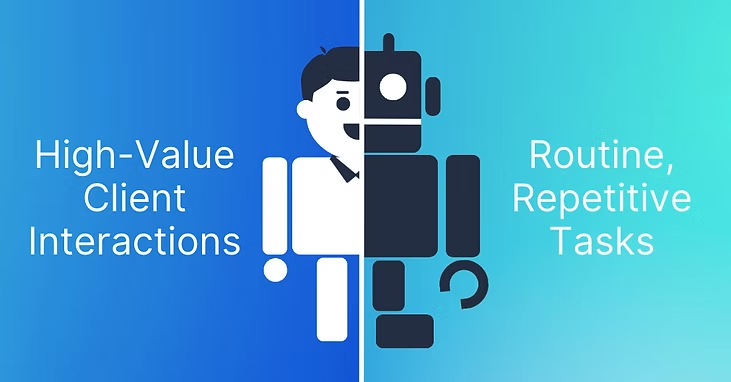
In the rapidly changing landscape of social services agencies that are responsible for determining eligibility for public assistance programs, the traditional approach to staffing is no longer sustainable. Demographic shifts in the workforce, the impact of COVID-19, and the presence of a multi-generational workforce have triggered a paradigm shift. In this blog, TipCo Automated Systems (TAS) will explore the challenges faced by these agencies, the need for technological intervention, and how embracing automation can revolutionize their operations.

Hire the Technology—Empowering Social Services Agencies with Automation Read More »

Scroll to Top